Zoee had built a career on reading rooms.
But everything changed the moment that stopped working.
"I was always grooming myself to be what I thought others wanted. I would anticipate what people wanted to hear, then shape myself to match. The way I dressed, the way I spoke — pencil skirt, formal blouse, everything proper. I thought that's how you would succeed."
It worked until one time it didn't. During one significant interview, she was rejected for being "gồng".
"I remember walking out thinking I did everything right. I said the right things, presented myself the right way — but something didn't land."
When she came back the second time, she showed up looser, more herself. She was even promoted to a higher position than what she applied for.
It was her first hint that being herself might actually be what opens doors.
Zoee moved through industries — hotels, real estate, casinos, then WeWork when it entered Vietnam. Through it all, there was a fighter energy to how she moved through the world: driven, hardworking, always grabbing opportunities.
Dreamplex, COVID, and a values choice
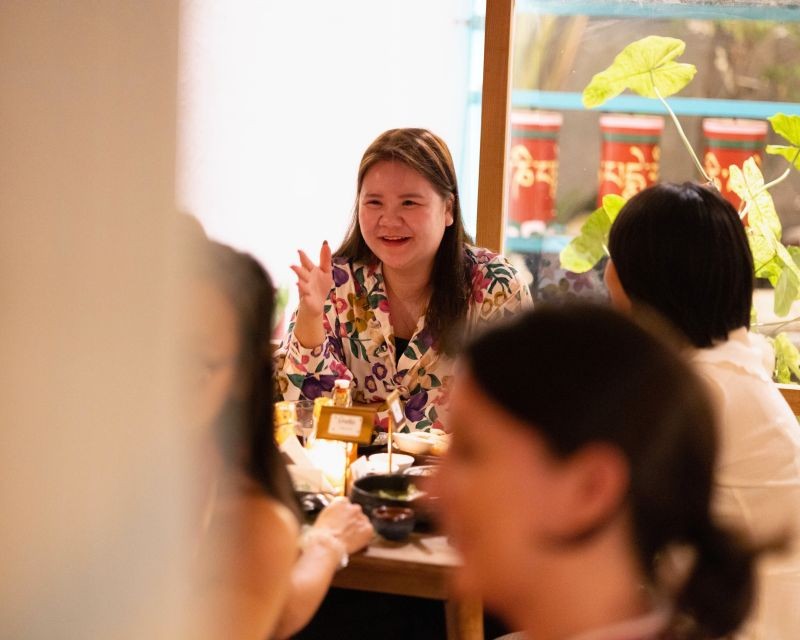
Then Dreamplex came into the picture. When COVID hit Vietnam the second time, Zoee had only been at Dreamplex for a few months. The lockdown stretched six months. Everything from revenue to operations was impacted. The leadership team sat in rooms trying to figure out how to survive.
She had experienced this before. At the previous company, when COVID came, the first move was layoffs. She remembered watching her team's names appear on the list, the separation that felt cold and abrupt. It had shaken something in her. But at Dreamplex, she watched leadership make a choice that changed everything for her: they restructured finances, scaled down operations — but they wouldn't give up on people.
"They chose to restructure everything — finances, locations, scale down operations. But they wouldn't choose to give up on people. That hit me the most. It spoke to the values of the company."
"I decided to engage. I stood up for the team. I started taking on whatever was needed — finance, operations, things outside my scope. I didn't think about being promoted."
Her fighting spirit got recognized. She became Managing Director.
Then the board offered her the CEO position.
And then came the moment that forced her to confront it.
She said no.
"I was scared of being the face of the company. I loved being behind the scenes — close to the team, sweating alongside them. And as a woman, especially an Asian woman, I felt I had to be completely ready before accepting something."
Around the same time, she learned she was pregnant.
First-time CEO. First-time mom. Both at once.
But the board didn't waver — and neither did her team.
"When I saw that people gave me that trust, I felt like if I grabbed this opportunity, if I had the authority, I could actually do more for the team. So I accepted."
The loneliness at the top
What Zoee hadn't anticipated was how isolating the role would become.
As Managing Director, she had been in the trenches. As CEO, she had to step back.
The closeness she had built over years started to feel like a luxury she could no longer afford.
"When you're at C-level, you can't be in everything with your team anymore. You have to zoom out, think strategically, make hard decisions. But I'm someone who builds trust by being with people. Suddenly, I felt disconnected."
No established networks. No peer communities. Her bosses were remote.
"I had no one to share the burden with. I felt completely alone."
She had always tried to please everyone, accommodate every expectation, and solve problems silently. She thought that was what good leadership looked like.
"I used to absorb everything — every problem, every emotion — and carry it myself. I didn't know how to let people know how I was feeling. I just kept holding, holding, holding. Until I felt increasingly disconnected."
She was burning out.
The turn: Circle
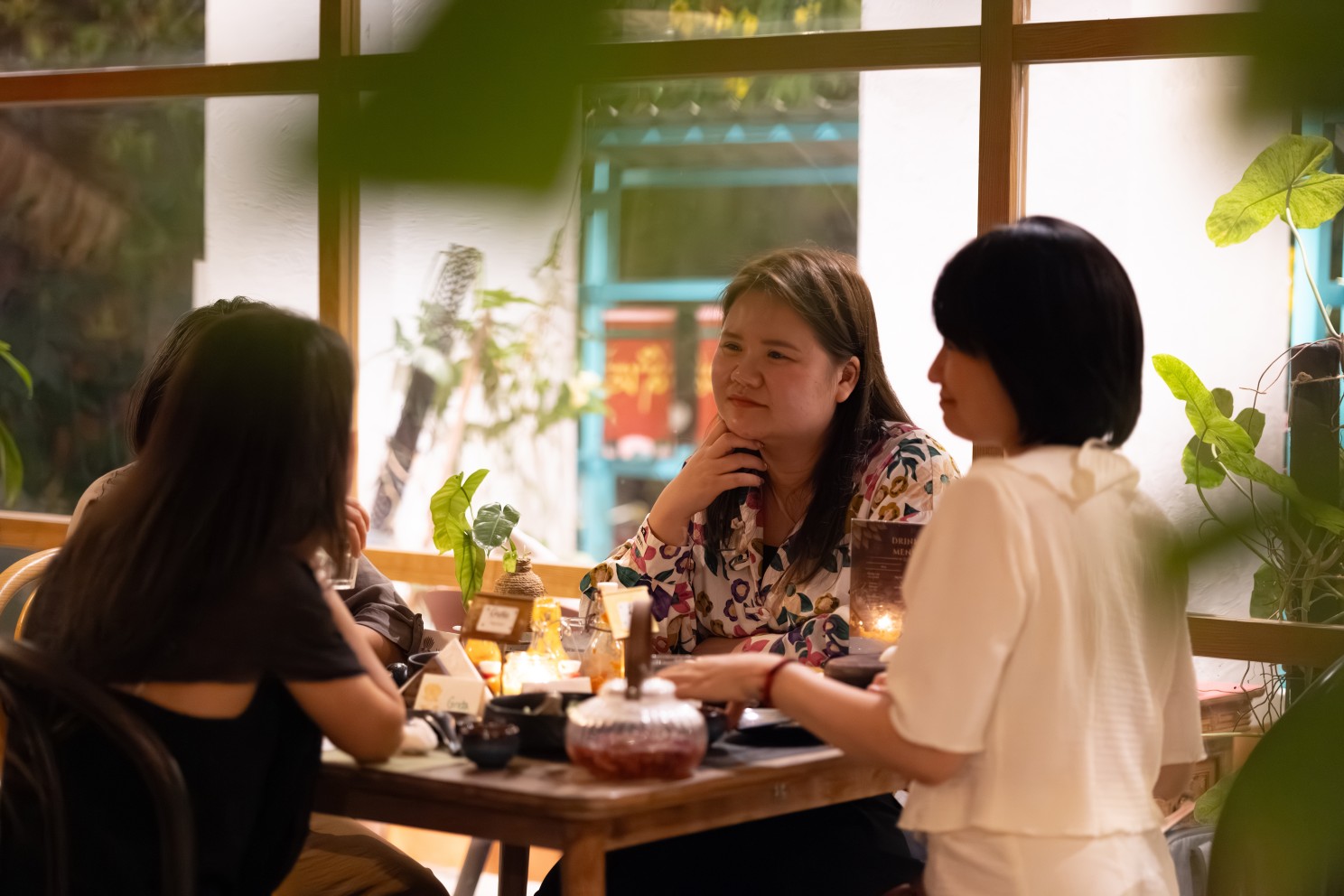
It was around this time that Zoee found her way to Circle.
"I wasn't actively looking for a leadership program. I just knew I couldn't keep holding everything the way I had been. I needed a space where I didn't have to have all the answers."
It became a place where she could be honest about how hard things had become.
What shifted was realizing that boundaries and connection aren't opposites.
She had spent years accommodating everything, solving things silently, draining herself in the process. She learned there are things she can do and things she can't — and that saying so didn't mean losing people.
She started naming tensions early, when they're still small.
"Small pinches become big cracks if you ignore them. Now I name things right away, solve them at that moment. I still keep my boundary as a leader, but I don't lose connection with people."
She also changed how she shows up for her team.
Before, her instinct was to rescue, to carry, to solve.
Now she creates space for people to grow, even when they're still learning. She asks more questions instead of jumping to answers. She trusts people with stretches, while staying close enough that they don't feel alone inside it.
Her team has noticed the change.
"Before, people would describe me as a bit aggressive and intimidating. I always thought that the way I say things comes from good will, so it can't be wrong. I didn't care much about how I communicate. But good intentions still cause cracks if you don't communicate well. Now I'm more mindful in the way that I communicate. My team can feel it too and it makes it easier for them to open up."
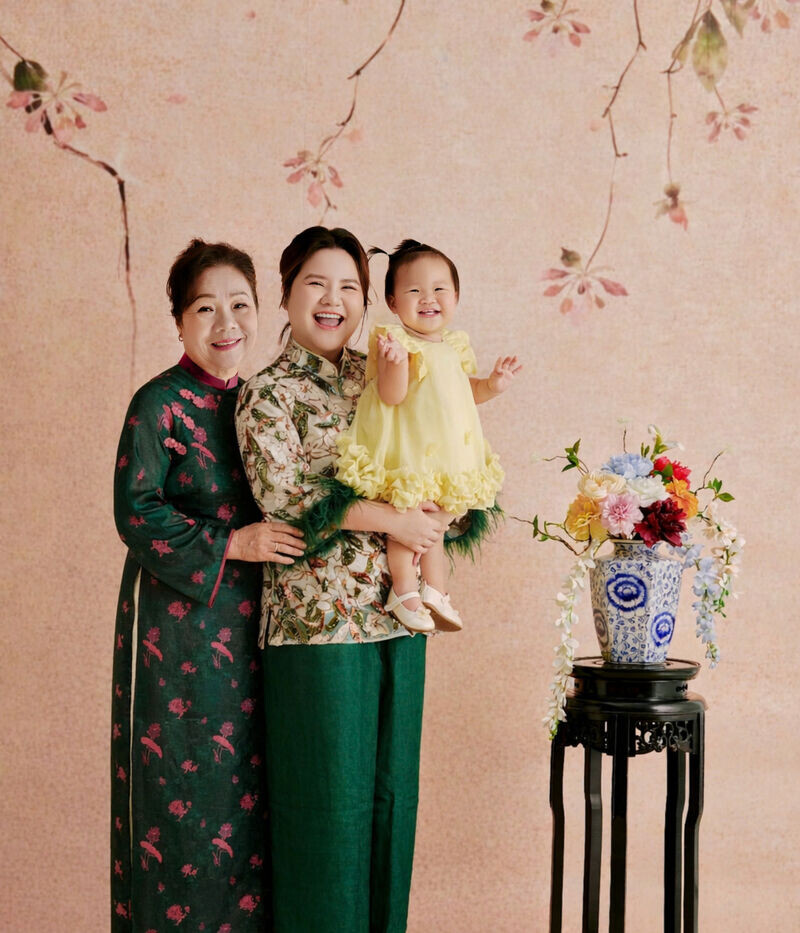
Her connection with others also shifted beyond work. Circle helped her reconnect with her mother. Their relationship had been strained for years — two women who loved each other but kept hurting each other every time they talked.
"We both gave and gave, but silently. We expected the other person to just understand. No one can understand you if you don't speak out. I started communicating with my mom more and we became more connected."
The fighter without the armor
Two years into her CEO role, Zoee still carries the fighter energy that defined her early career.
But now it's paired with something softer.
The fighter is still there. But she no longer wears the armor.
"I used to think if I showed the real me, I wouldn't be respected. But the opposite is true. When I stopped performing, people trusted me more. When I shared my struggles, my team felt permission to share theirs."
"I spent years trying to read the room. Now I just show up as myself — and that's what actually creates connection."
Written by Phuong Do, Program Manager at Green Tara Leadership